

Frank Tuerling
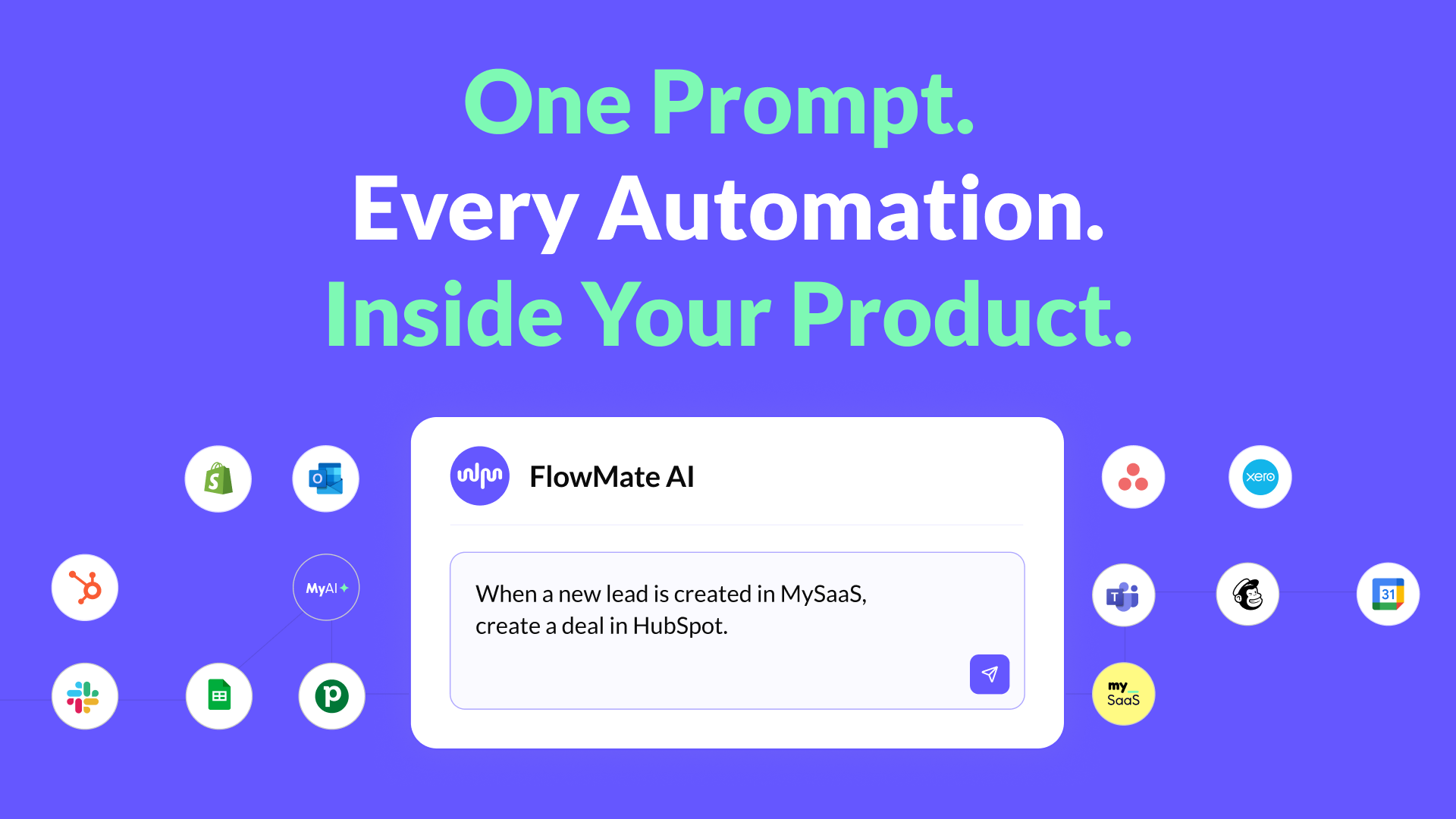
Every Customer Is Waiting for an Integration You Have Not Built Yet
Every product leader knows what integrations are worth. Customers who use three or more automated integrations churn at half the rate of those who do not. Integration depth is one of the strongest predictors of retention and expansion in B2B SaaS. This is not a new insight.
What has changed is the expectation. Customers no longer treat integrations as a bonus feature. In the AI era, they expect automation to be native. Not a third-party platform they struggle to configure, but a ready-to-use experience built into the product they already pay for.
The obvious answer is to build more integrations. The reality is that every SaaS backlog is full to the brim. AI requirements, product improvements, bug fixes. Integrations are just one item on a very long list. The reason is that building them is harder than it looks, and that is true even in the age of AI-assisted coding. The result is that most SaaS companies cannot roll out the integrations their customers are waiting for.
Building Integrations Is Harder Than It Looks
The conversation about integrations always ends up in the same place: engineering bandwidth. How many sprints it takes. How many developers it blocks. Dev resources are always part of the conversation. But they are only half the problem.
Before a developer writes a single line of code, a PM has to do weeks of work. Understanding what customers actually need is the first challenge. These workflows live outside the product, inside third-party apps the PM does not work with daily. They need to understand the relevant features of that app, the available API endpoints, and how to map them logically to realize the automation use case. Without that clarity, there is no spec. And without a spec, there is no ticket. Then comes the build, QA, documentation, the changelog, and customer communication.
And the moment it ships, the next request is already waiting.
The Gap Keeps Growing
Product leaders understand the value. But with limited resources and a backlog full of competing priorities, integrations keep losing the fight for the next sprint. They get acknowledged, added to the roadmap, and pushed every quarter. To soften the gap, customers get pointed toward external platforms like Zapier, n8n, or Make. The automation value stays outside the product. SaaS companies keep the customer relationship, but they do not own, manage, or control how their customers automate.
That worked when automation was a nice to have. It does not work in the AI age, when every customer expects it as a default. The result is a growing gap between what customers expect and what your team has the bandwidth to deliver.
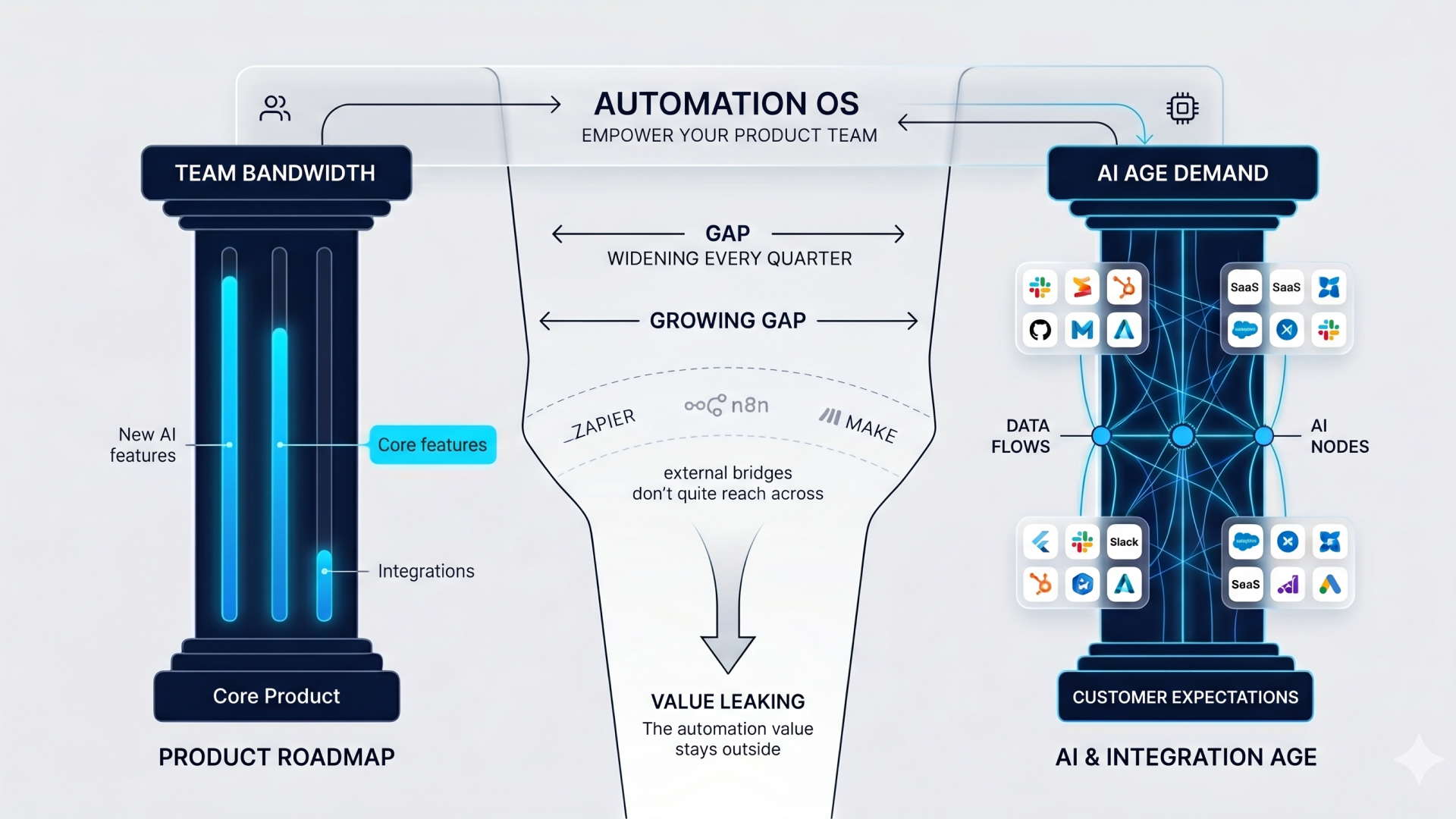
Every quarter, that gap widens. You cannot solve this problem with more dev resources or faster coding with AI tools like Claude Code. If you want to ship the integrations your customers expect, you have to see the whole picture of producing them. The key is to empower your product team to handle cross-app automation, handle the complexity intelligently, and drive the integration project forward.
The Idea Was Never the Problem
We started building FlowMate three years ago with exactly this problem in mind. From the beginning, our approach was a no-code flow builder for product teams, combined with an embedded white-label automation UX that makes launching new integrations faster, easier, and less dependent on engineering resources.
With AI, we can now take this to a completely new level. Every PM on your team can prompt a new integration the way you know it from tools like Lovable, Figma Make, or Claude Code, but built specifically for product managers and cross-app automation.
Imagine the impact on product value and customer stickiness if your team could describe a workflow in plain language and ship it as a native feature the same day. That is exactly what FlowMate AI makes possible, built on top of the automation engine we have been developing for the past three years.
From One Prompt to a 10-Step Integration
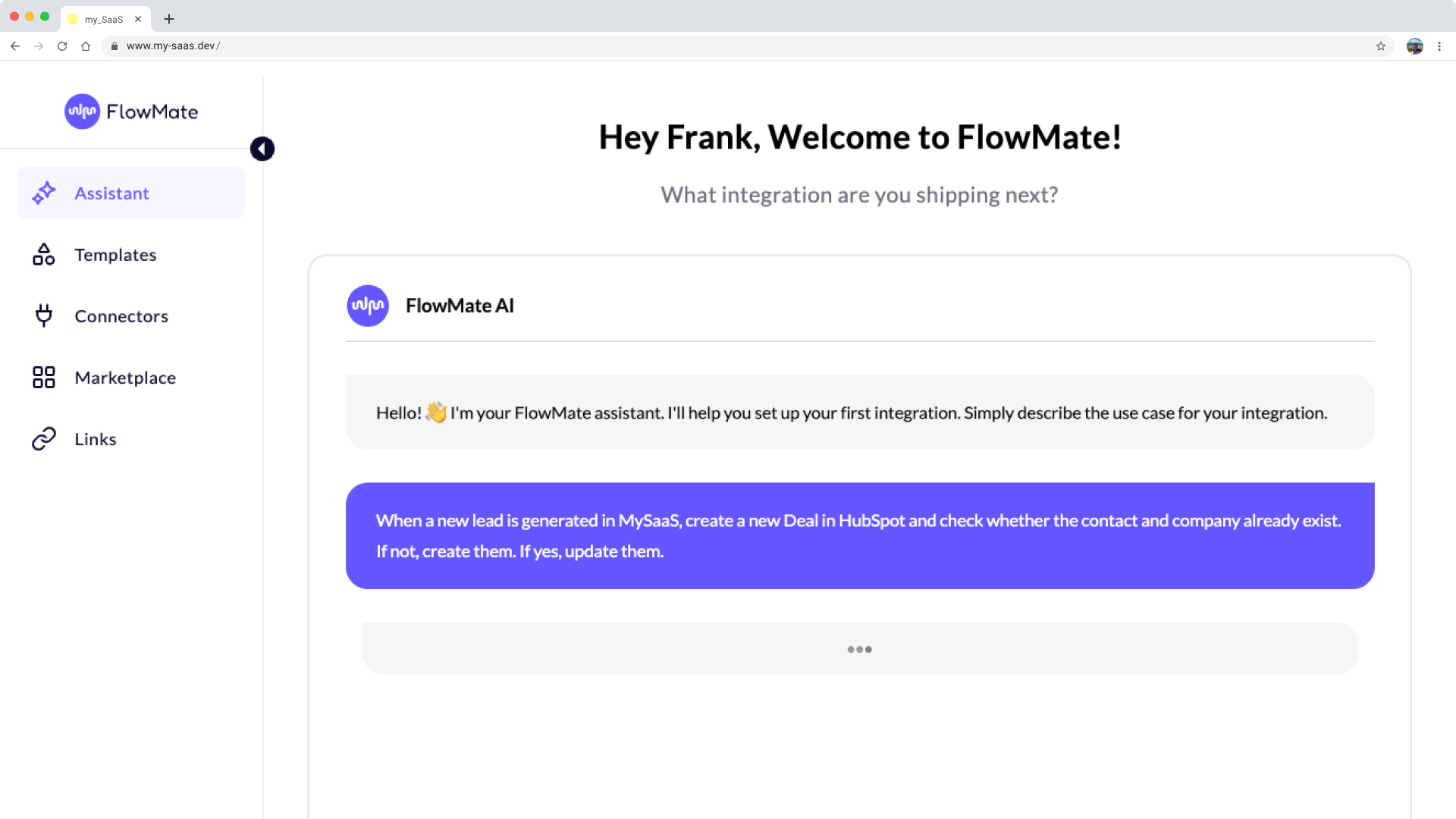
Here is a real example from a FlowMate partner. A PM needed a HubSpot integration. They typed one prompt:
“When a new lead is generated in MySaaS, create a new Deal in HubSpot and check whether the contact and company already exist. If not, create them. If yes, update them.”
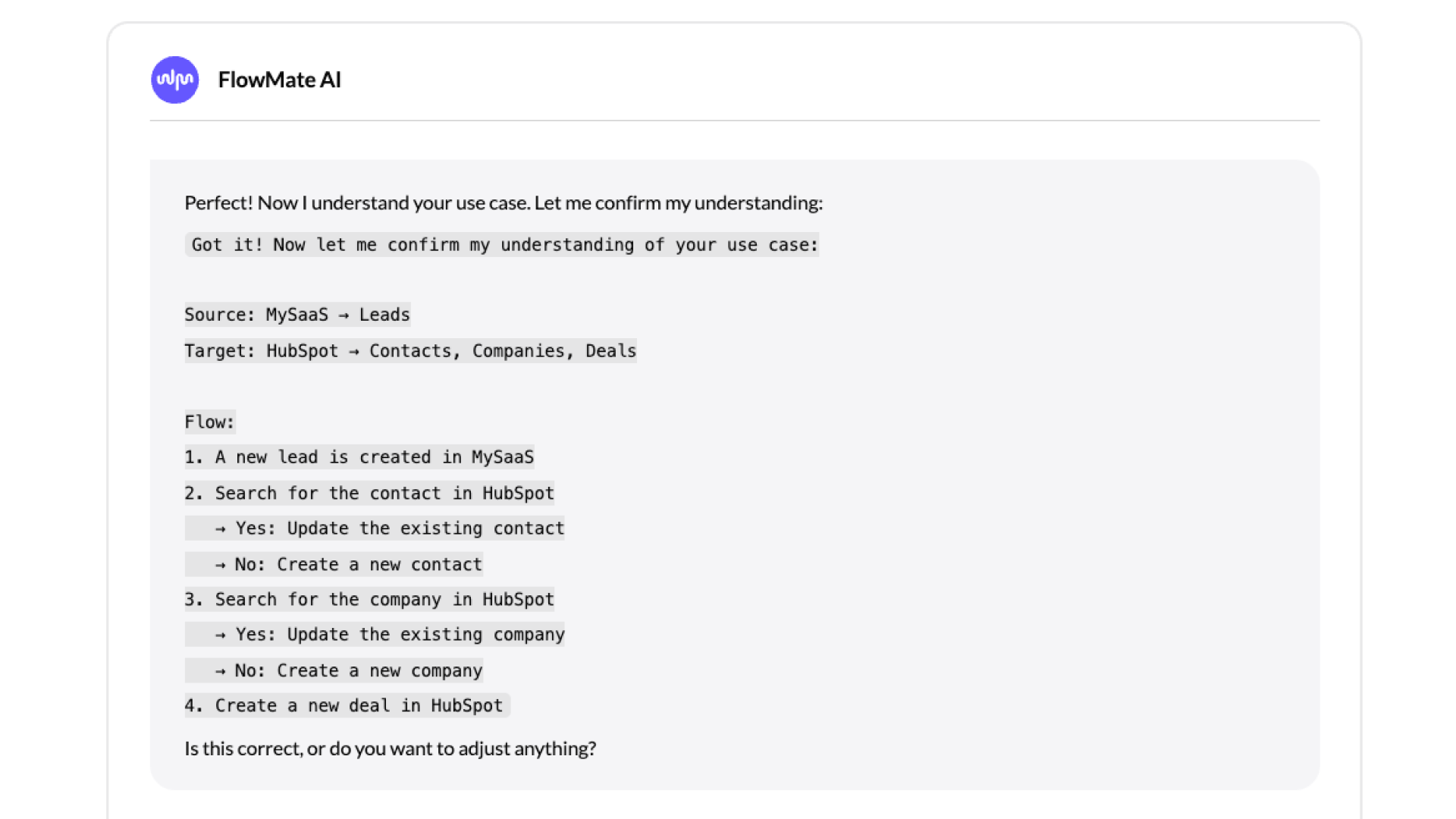
FlowMate AI did not just pattern-match the request. It parsed the full intent, identified every object involved, and confirmed its understanding of the complete flow before building anything.
With the flow confirmed, FlowMate AI resolved the available connectors, matched them to each step, and generated the complete integration template. One click opens it directly in the flow editor, ready to review and activate.
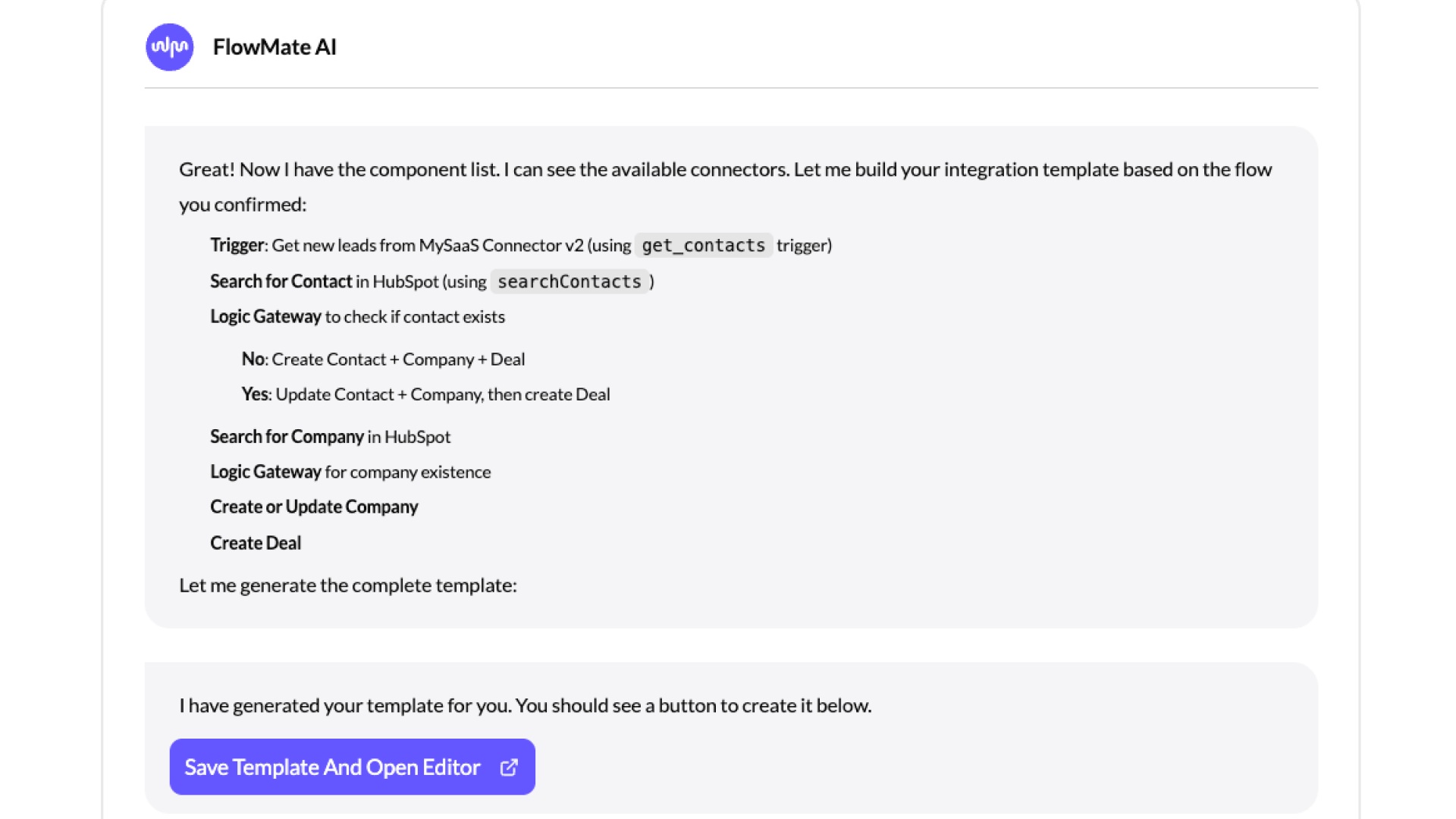
From that single confirmation, FlowMate AI generated a complete 10-step integration template, including trigger detection, conditional logic for both contact and company, separate create and update paths, and a final deal creation step with full associations.
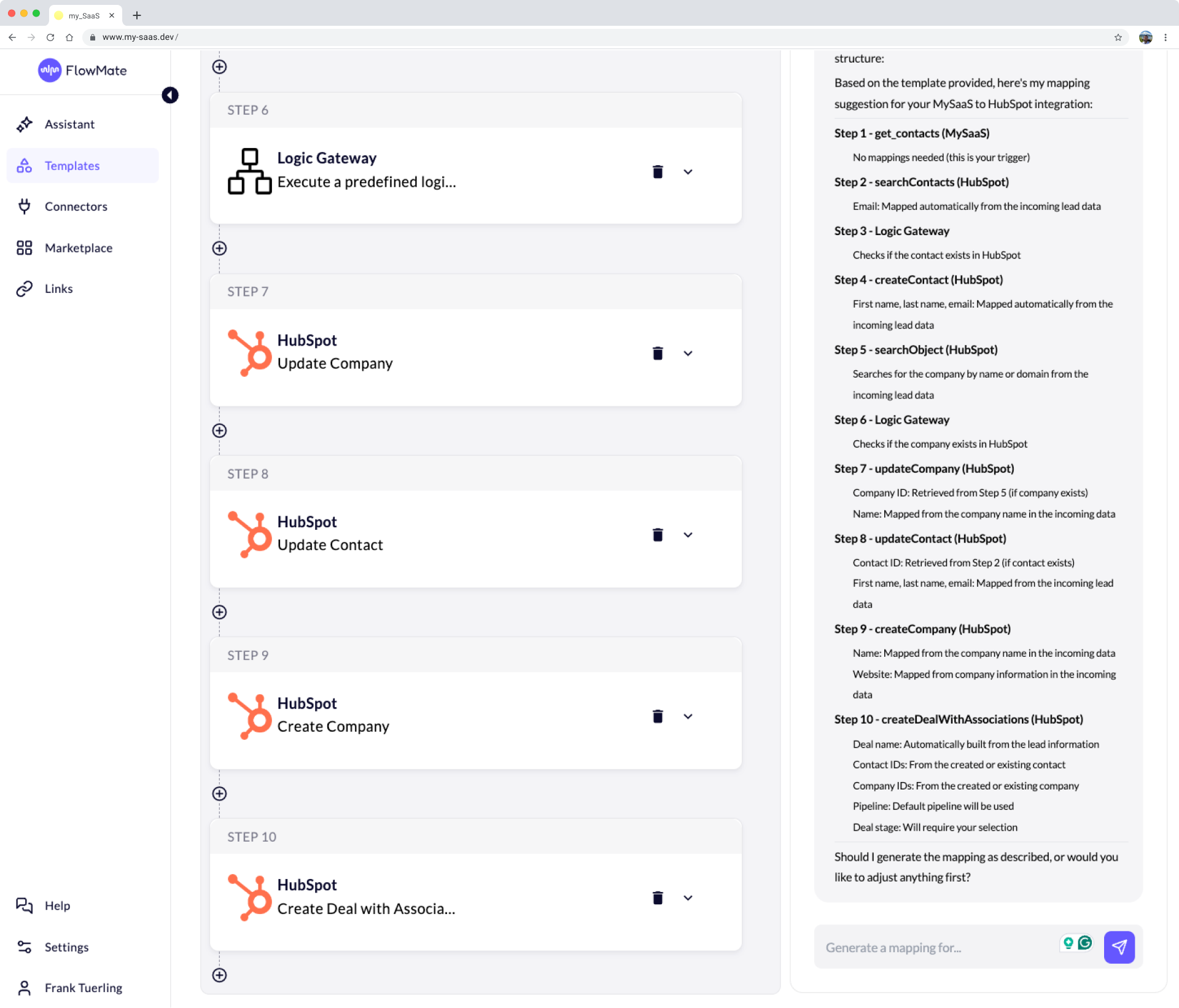
Opening the editor reveals the full flow with all steps mapped. FlowMate AI also handled the data mapping automatically, resolving which fields from the incoming lead data map to each HubSpot object across all ten steps.
The end result is what the customer sees inside the product: a native configuration screen with live data pulled directly from their HubSpot account. No static dropdowns. No hardcoded values. Their actual pipelines and stages, surfaced at runtime.
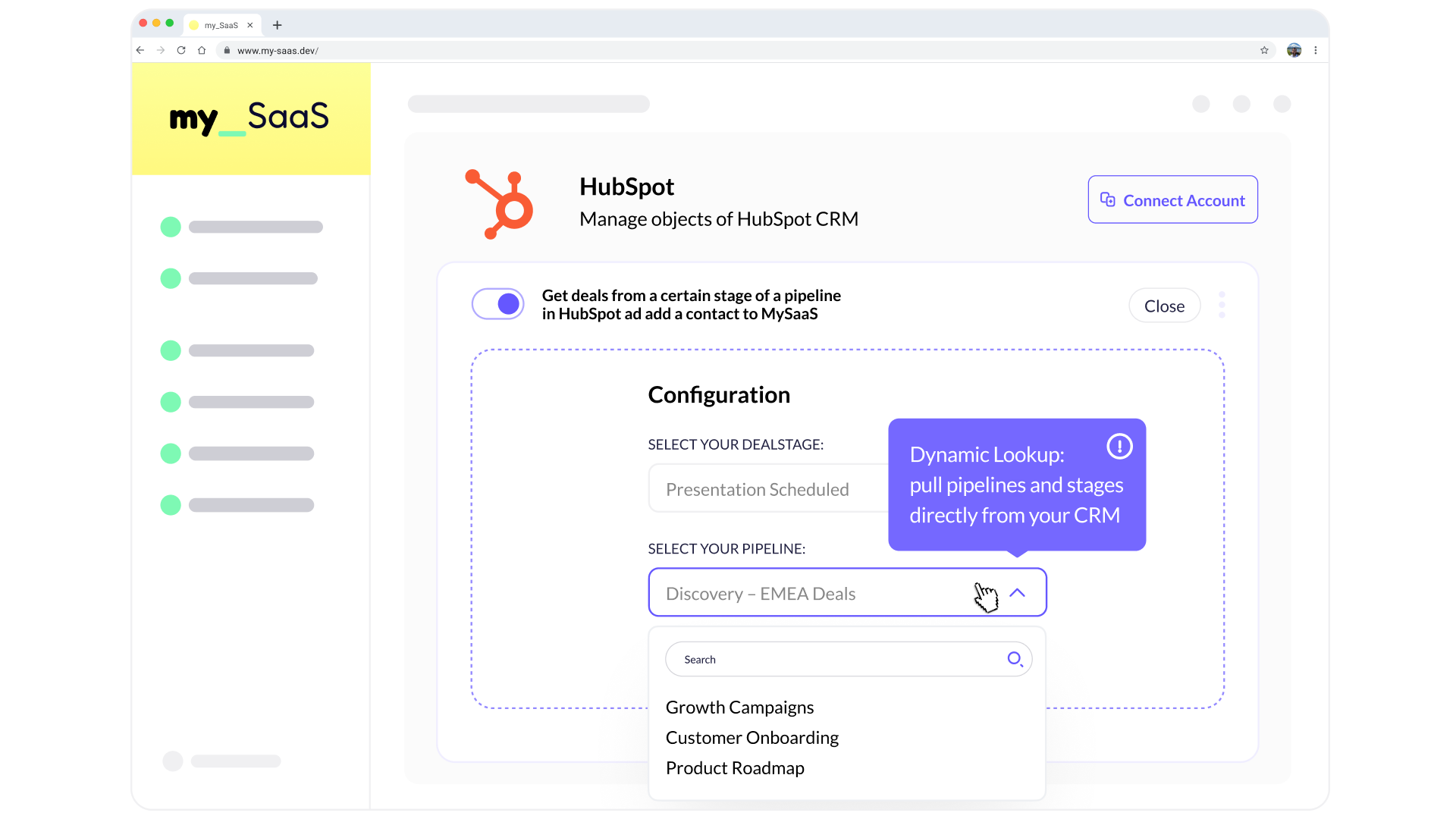
This is possible because FlowMate handles the full complexity of pipeline-related automations out of the box:
- Custom Fields
Enable unique field configurations, so every customer can easily map their specific data. - Dynamic Lookups
Pull live data from connected apps at runtime, so customers always see their own data - Value Mapping
Translate values between systems without hardcoding - Conditional Logic
Create, update, or route deals, contacts, and companies based on conditions
No developer was involved at any point. The PM described the outcome. FlowMate AI built the execution.
A Note on Our Launch Phase
FlowMate AI is live today, and our agent is already building production-ready flows. Like any AI system, it learns and improves with every interaction. During this launch phase, not every prompt will immediately generate a complete flow template. Some use cases are more complex than others, and our agent is still expanding its capabilities.
Here is what that means in practice for our partners: we have built a safety net into the launch. If a prompt does not result in a successful flow, our team is notified automatically and steps in to deliver the expected result in the background. You are never on your own. The outcome we promised is the outcome you get.
This is not a workaround. It is how we think software should be launched. Honest about where we are today, committed to the result regardless, and getting smarter every day.
Every Customer’s SaaS Stack. Covered.
Imagine how this changes the way you ship integrations. Any PM on your team can take an idea from plain language to a live, native feature the same day. No sprint. No backlog. No developer required.
For product leaders, this changes the roadmap conversation. Integrations that used to require a full sprint can now be shipped by any PM on the team, same day. The dev queue gets shorter. Engineering focuses on the work only they can do. And customers get the native automation experience they now expect.
For PMs, it is more direct. You had an idea this morning. You can have it live before lunch

The Integration Backlog Is Now Optional.
FlowMate AI lets any PM on your team describe a cross-app integration and ship it as a native feature the same day.
Try FlowMate AI Now
The Integration Gap Is Now a Strategic Choice
Every SaaS company has integrations on the roadmap. Most of them will be postponed again next quarter. Not because the value is unclear, but because integrations have always lost the fight for the next sprint.
That has changed. The PM burden, the spec cycles, the dev dependency — FlowMate AI handles the complexity so your product team can focus on shipping.
The SaaS companies that close this gap first will be significantly harder to displace. Their customers will be more connected, more dependent on the product, and less likely to look elsewhere.
Vibe coding your integration backlog is not a shortcut. It is the new standard.
Start prompting today.
What if any PM on your team could turn a plain-language description into a native integration and ship it the same day, without it sitting in the backlog forever?
FlowMate AI makes that possible. Plain language in, production-ready automation out, no developer required.
Turn a Prompt Into Real Automation
See how FlowMate converts plain language into production-ready workflows across your customers’ apps in minutes.

More articles from our Blog
Build Every Integration Your Customers Need. Without Leaving Claude.
Building integrations is hard. Keeping them running is harder. This post shows how SaaS teams and AI platform builders can describe an integration in their own language and ship it the same day, monitor their entire automation operation through conversation, and fix production errors without leaving Claude.
The Automation Engine for AI and SaaS Platforms
For one or two customers, automation is a script. But once you are serving enterprise clients or a large customer base, it is infrastructure. This post explains how the FlowMate Automation Engine handles execution at platform scale, and why the gap between a working prototype and a production-ready multi-tenant system is larger than most teams expect.
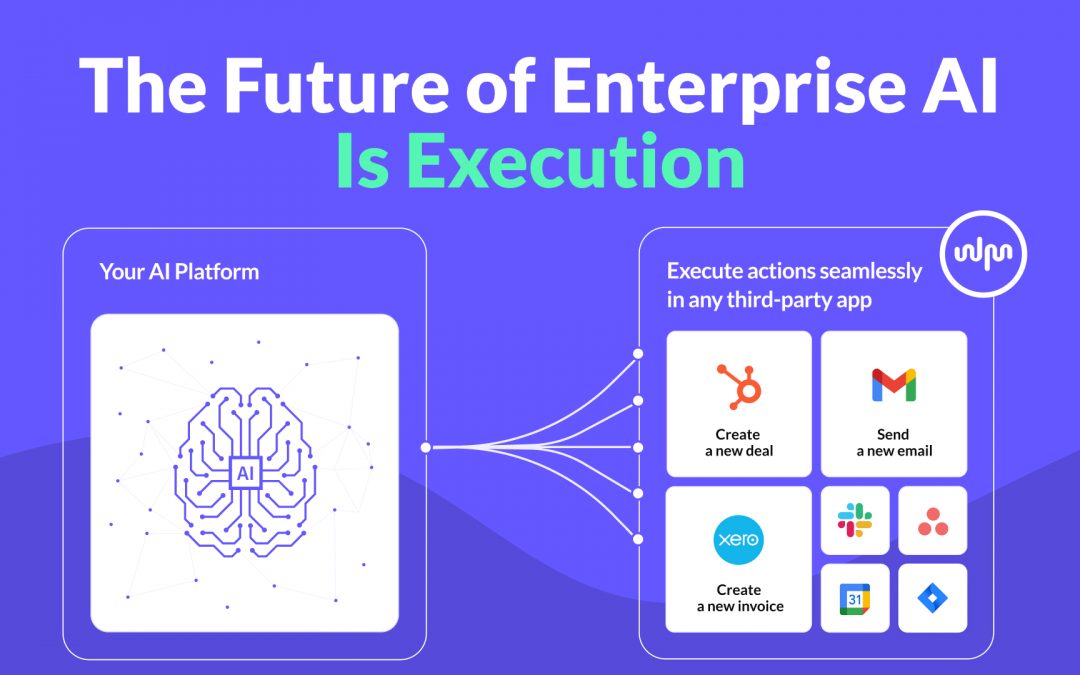
The Future of Enterprise AI Is Execution
Enterprise AI platforms are advancing fast. They can reason, generate insights, and even plan actions. But real value does not emerge from intelligence alone. It emerges from execution. In this post, we explore why execution is the defining challenge for enterprise AI platforms and why an execution layer becomes the critical infrastructure that turns AI into an operational system.
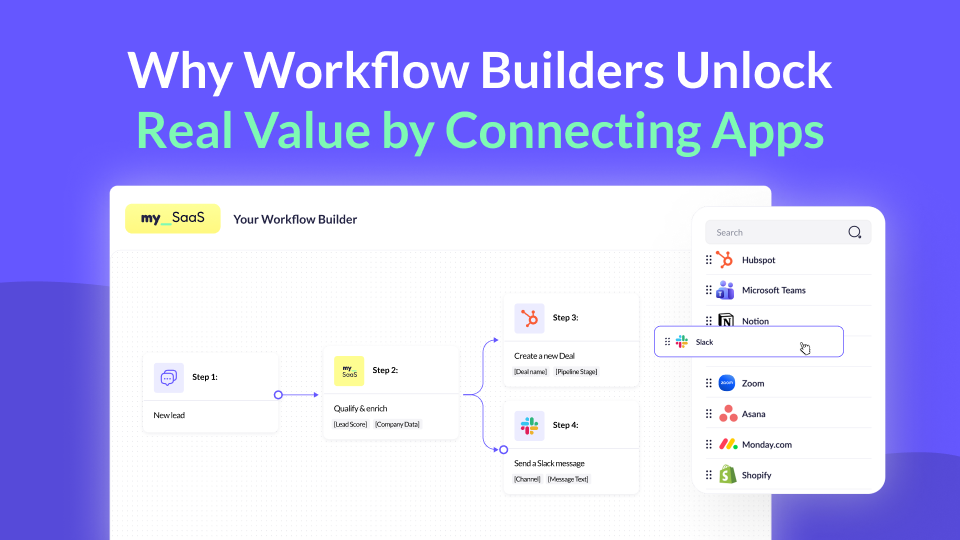
Why Workflow Builders Unlock Real Value by Connecting Apps
Workflow builders are becoming a key part of modern SaaS products. But where does their real value actually come from? In this post, we explore why connecting the apps customers already use makes workflow builders truly powerful, value-driving features, and why this matters more than ever.
Using MCP for Workflow Automation: What Works, What Doesn’t, and What You Actually Need
MCP standardizes how AI agents access tools, but it’s often mistaken for a workflow engine. In reality, it lacks structure, state, and governance. This article explains why MCP alone can’t power workflows and what additional layer you need to run automations reliably – including where FlowMate fits.
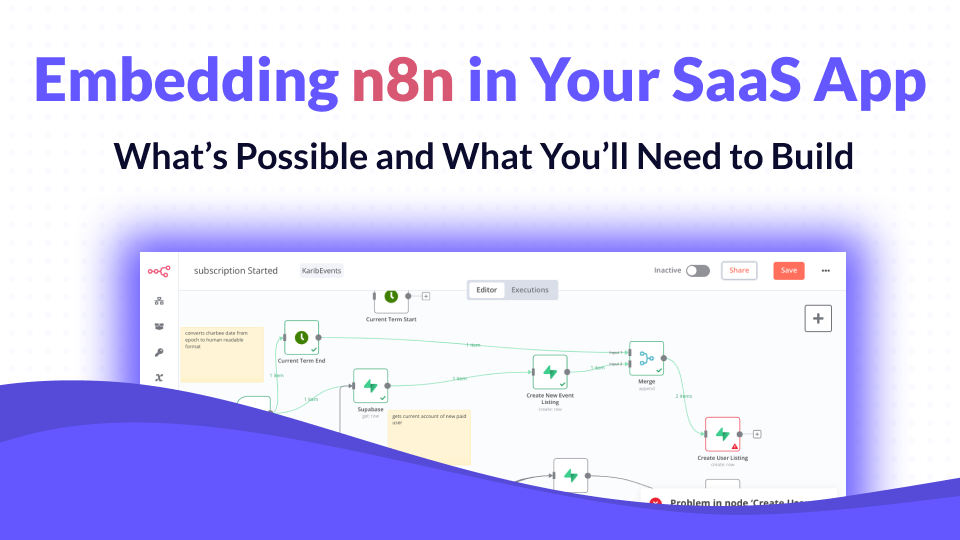
Embedding n8n in Your SaaS App: What’s Possible and What You’ll Need to Build
n8n has become one of the most popular workflow automation tools in the world, open-source, flexible, and developer-friendly. But when SaaS companies try to embed it into their own product, reality quickly gets complicated. In this article, we’ll unpack what n8n can do inside a SaaS product, what it can’t, and what you’d need to build to make it truly work at scale.
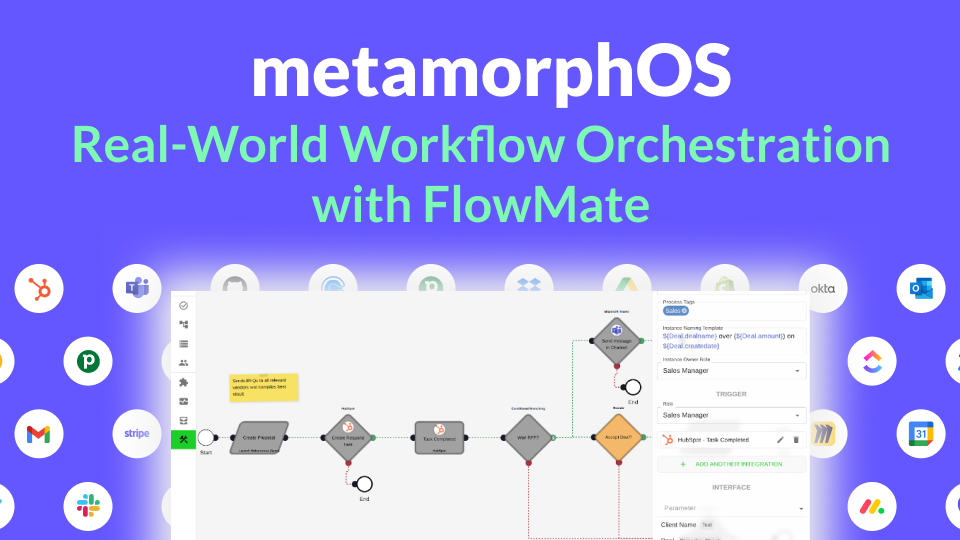
How metamorphOS Uses FlowMate to Power Real-World Workflow Orchestration
Discover how metamorphOS powers real-world workflow orchestration with FlowMate. By embedding FlowMate’s automation and integration engine, metamorphOS connects people, AI agents, and apps into seamless business processes. Learn how this partnership turns complex, manual workflows into scalable, automated success.
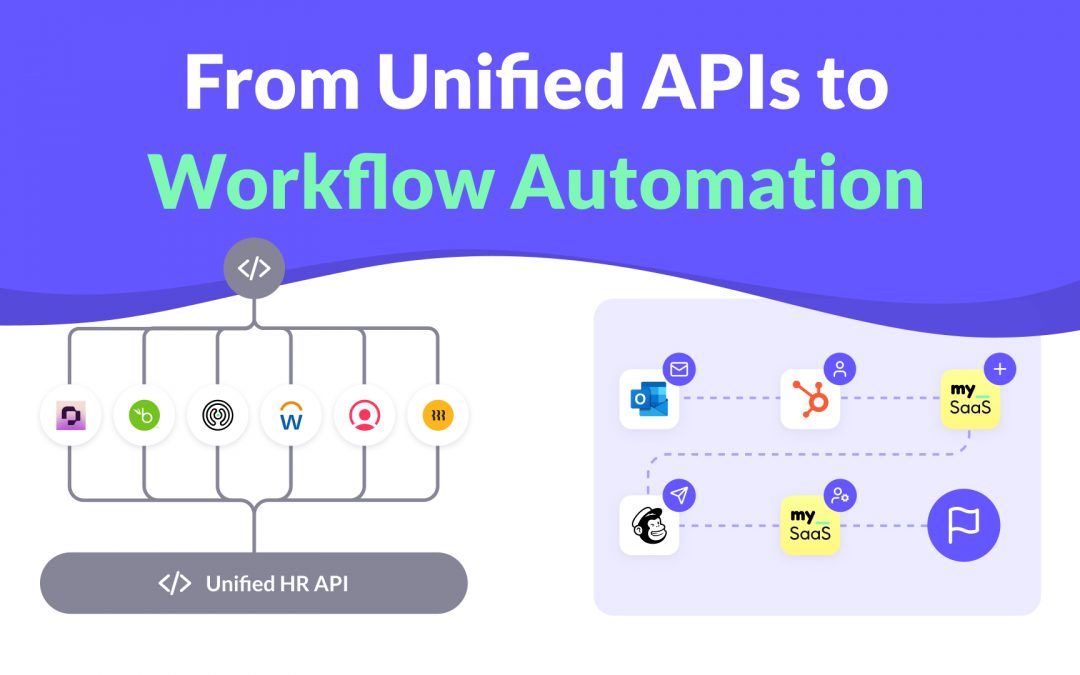
From Unified APIs to Workflow Automation
Unified APIs simplify data access, but modern SaaS products need more. This post explains why syncing data is not enough to deliver customer value and how event-driven triggers, actions, and workflows are redefining integration. Learn how moving from static connections to intelligent automation helps SaaS providers build integrations that adapt to real processes and create real workflow enablement.

How to Launch New Integrations: A Go-To-Market Playbook for SaaS Teams
Learn how to turn your next integration launch into a strategic growth campaign, not just a technical release. This step-by-step playbook shows SaaS teams how to unlock revenue, improve retention, and generate demand by treating integrations as powerful go-to-market assets, not just features. If you want more from your integration investments, this guide is for you.

Empower Your AI Agent to Execute Real Actions Across Any SaaS Tool
Many SaaS teams are racing to embed AI agents into their products, but most AI agents are starkly limited. Why? Because they lack the infrastructure to take real action across third-party tools. In this post, we unpack what’s missing, why the MCP standard matters, and how FlowMate MCP turns your AI agent into an operator by unlocking real automation across your customers’ stack.

Monetizing Automation & Integrations: Turn Customer Pain into Your MRR
Most SaaS companies underestimate the business value of automation and integrations. In this post, we explore how native automation not only improves product stickiness but also opens the door to entirely new revenue streams. Learn how to boost MRR while helping your customers save money by replacing costly third-party automation tools.

The Missing Piece in SaaS Workflow Automation: Real-Time Integrations
Many SaaS products offer workflow automation within their app—but real-time, event-driven integrations with third-party apps are often missing or hard to implement. In this post, we explore why they’re essential for modern SaaS platforms and how teams can overcome the technical hurdles.
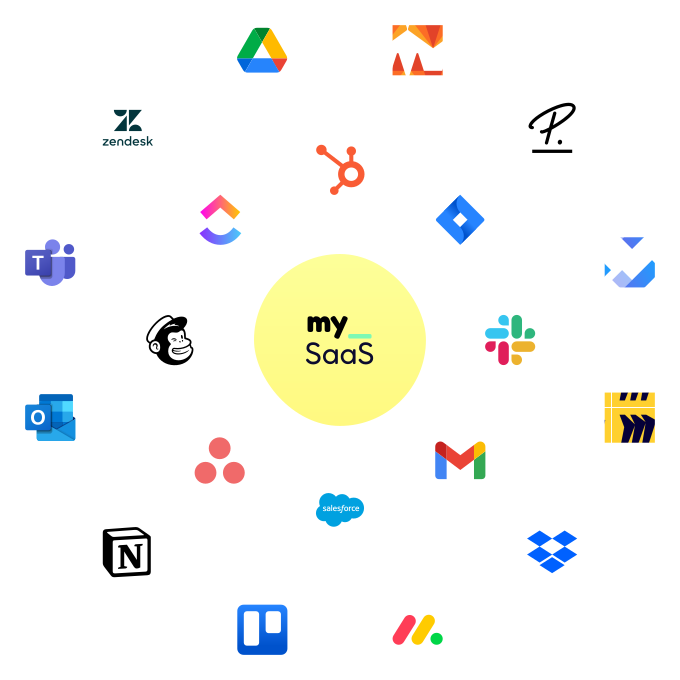
Get all integrations you need always up to date
Access over 120 pre-built integrations for rapid connectivity with your SaaS. Get integrations from our roadmap tailored to your requirements in the short-term. We create any integration you need using public APIs by arrangement, ensuring your integration needs are met swiftly and effectively.